VR / AR Spatial Systems
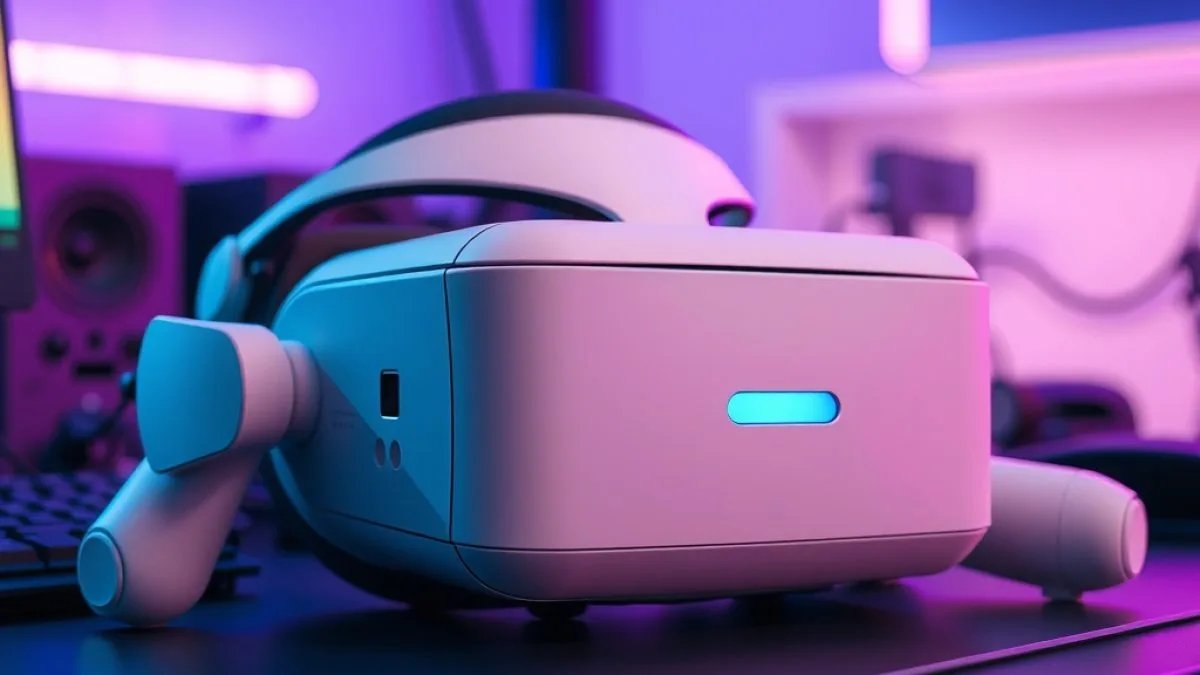
Full 6DoF immersion spatial reality headsets: Meta Quest 3, PlayStation VR2, Valve Index, Pico 4, and Apple Vision Pro.
About VR / AR Spatial Systems
Spatial computing entered the consumer market with standalone headsets that track both position and rotation, giving six degrees of freedom (6DoF). Early devices like the Oculus Rift and HTC Vive showed the potential of room-scale VR, and the market has grown to include mixed-reality options such as the Apple Vision Pro. Today the main choices are Meta Quest 3, PlayStation VR2, Valve Index, and Apple Vision Pro. Each offers a different balance of image quality, comfort, and ecosystem lock-in. Players pick a system based on where they play—standalone, console, or PC—and how much visual fidelity they need.
How to choose a VR / AR Spatial Systems device
When comparing models look at display type, refresh rate, field of view, and required hardware. Quest 3 uses pancake lenses that keep the headset light but limits brightness. PS VR2 provides an OLED HDR panel with built-in eye tracking for console users. Valve Index runs at up to 144 Hz and needs a powerful PC plus link cables. Apple Vision Pro focuses on mixed-reality and runs on its own silicon. Decide whether you want a standalone, console-tied, or PC-dependent system and match the specs to your play space and budget.
Gear that matters
- PC VR Link Cables – required for high-refresh PC headsets like the Index
- Haptic Spatial Grips – add force feedback to controllers for more tactile interaction
- Gaming Headsets & Audio – closed-back or open-back headsets improve immersion and can replace built-in audio
- Gaming Chairs – ergonomic seating reduces fatigue during long VR sessions
Tips for players
- Check the headset’s weight and balance; heavier units can cause neck fatigue.
- Verify that your play area meets the minimum clear-space requirements for room-scale tracking.
- If you plan to use PC VR, confirm your GPU can sustain the headset’s refresh rate.
- Keep lenses clean with a microfiber cloth to maintain visual clarity.
Gear for VR / AR Spatial Systems
All VR / AR Spatial Systems Models & Devices
Meta Quest 3
2023Snapdragon XR2 Gen 2 // 4K+ Infinite Display Pancake Optics // Full-Color Passthrough 4K MR
PlayStation VR2 (PS VR2)
20234K HDR OLED Displays (2000x2040 per eye) // Eye Tracking Foveated Rendering // Headset Haptics
Valve Index
2019144Hz High-Refresh Dual LCD // Knuckles Controllers with Individual Finger Tracking // Base Stations
Apple Vision Pro
2024Dual Micro-OLED 4K Displays (23 Million Pixels) // M2 + R1 Spatial Chips // Eye & Hand Tracking
Other gaming platforms
- PC / Handheld PC
- Sony PlayStation
- Microsoft Xbox
- Nintendo Home Consoles
- Sony Handhelds
- Nintendo Handhelds
- Sega Consoles (Retro)
- Other Retro Consoles
- Mobile Gaming
- Cloud Gaming Platforms
- China / Retro-Handheld Brands
- Arcade & Custom Pinball
- Smart TV & Streaming Devices
- Misc & Niche Gaming Systems
Playing on PC? Check if your PC can run a game or see our gaming gear picks.
FAQs About VR / AR Spatial Systems
Common questions about hardware, games and buying for VR / AR Spatial Systems.
Q1What gaming platforms and eras are covered on Run On Console?
Our platform directory covers 15 comprehensive gaming categories and over 100+ iconic hardware devices: from 8-bit NES and Atari 2600 to modern PC Battlestations, PS5 Pro, Xbox Series X, OLED Handhelds, VR/AR, and China Emulation engines (Anbernic/Retroid/Miyoo/Odin).
Q2Can I search for specific devices like Miyoo Mini or PS Vita?
Yes! Use our interactive Device Search & Filter Engine to instantly filter by device name, era, generation, and form-factor.
Q3What are Hall-Effect magnetic controllers?
Hall-Effect controllers use contactless magnets rather than physical friction wipers to track analog stick and trigger inputs, making them highly resistant to stick drift.